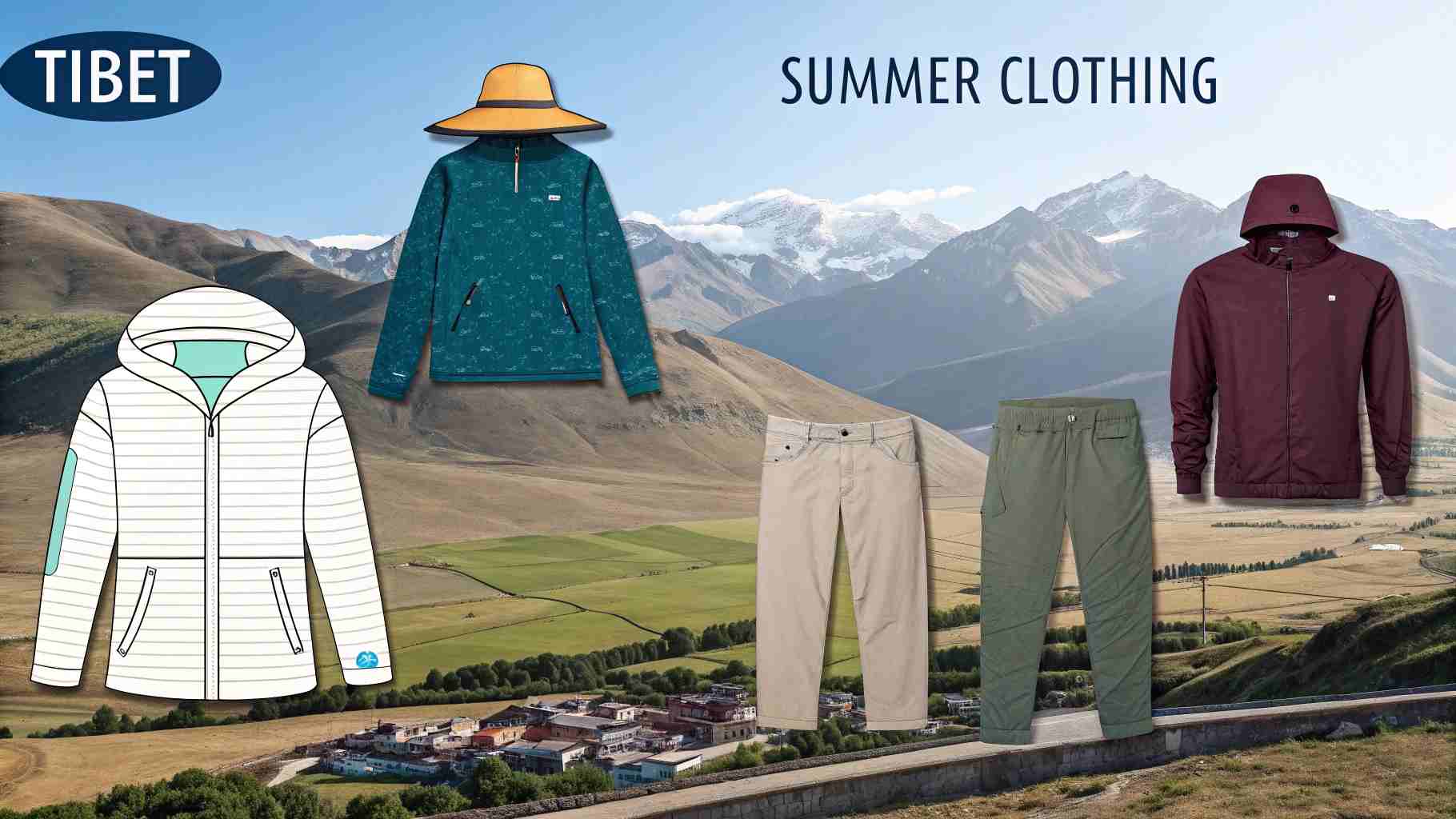
Travelers often freeze or overheat packing wrong clothes. Tibet's summer alternates burning sun with icy nights – wrong fabrics risk hypothermia.
Layer breathable nylon/merino wool base tops, fleece mid-layers for insulation, and waterproof hard-shell jackets. Include UPF 50+ hats/sunglasses, sturdy hiking boots, and dark long pants for monastery entry. Avoid cotton – it traps moisture below 10°C (50°F).
After managing 3000+ summer tours every year, we've refined a battle-tested packing system1 – like for Singaporean retiree Mr. Toh whose layers saved him during Everest hailstorms.
Why Choose Merino Wool Instead of Cotton?
Cotton turns sweat into ice in Tibet’s high valleys – a dangerous moisture trap.
Merino wool2 efficiently wicks sweat without smell retention (unlike synthetics). It provides warmth when damp during sudden temperature drops. Essential for base layers during 5°C (41°F) dawn monastery visits.
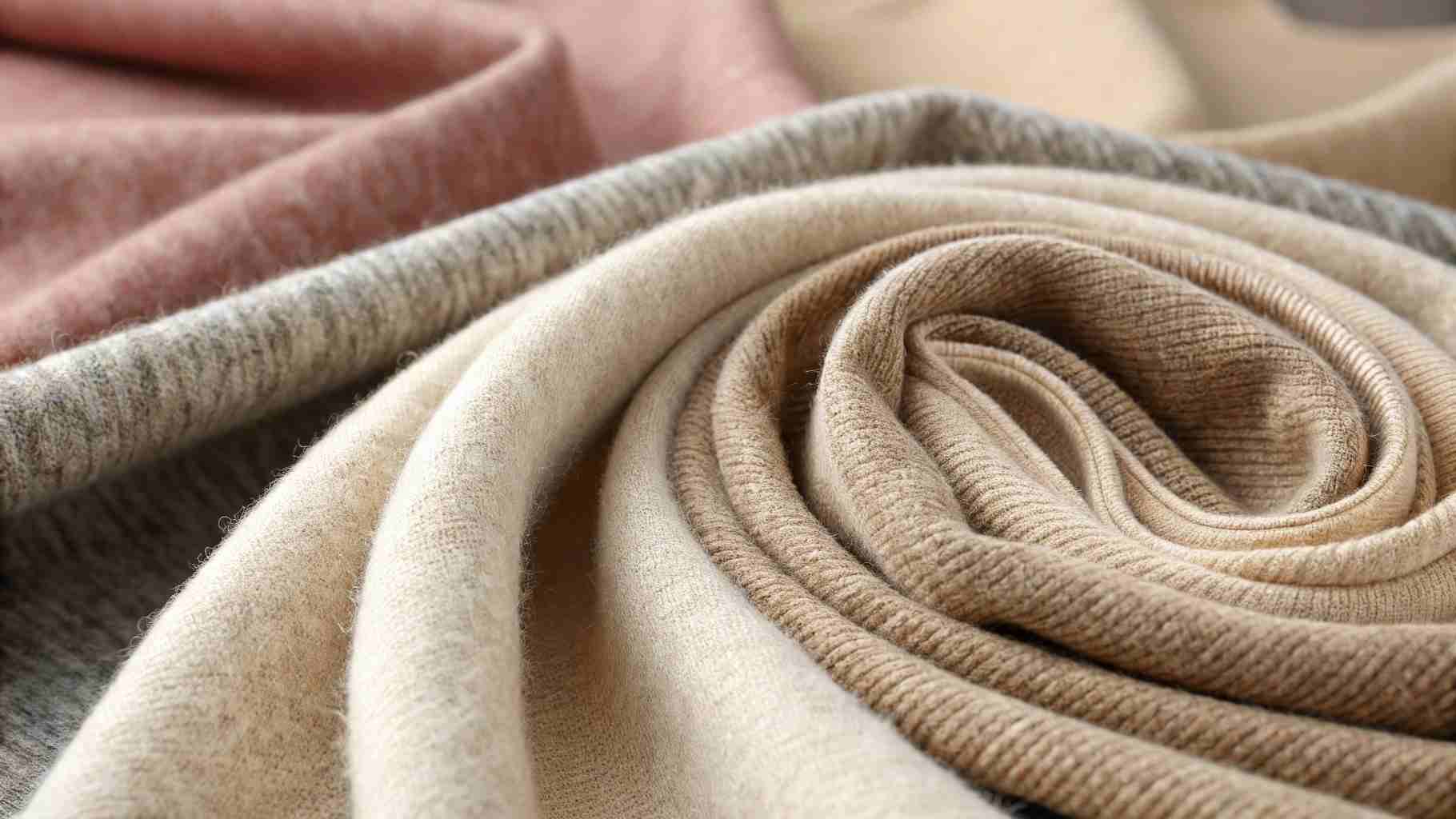
Fabric Performance Comparison
| Material | Warmth | Moisture Management | Tibet Suitability |
|---|---|---|---|
| Merino Wool | High | Excellent (dries sweat) | Best - regulates temperature |
| Synthetic | Medium | Fair (traps odor) | Good for low altitudes only |
| Cotton | Low (when wet) | Terrible | Dangerous at Everest/Lake Namtso |
| Silk | Low | Moderate | Suitable for pajamas only |
Practical Outfitter Tips:
-
Weight Matters:
✓ 150g weight for Lhasa day tours
✓ 250g weight for Everest/Kailash treks -
Blend Strategy: Pack Patagonia wool-synthetic blend shirts for multi-day hikes where washing isn't possible
How to Layer for Everest vs Lhasa Microclimates?
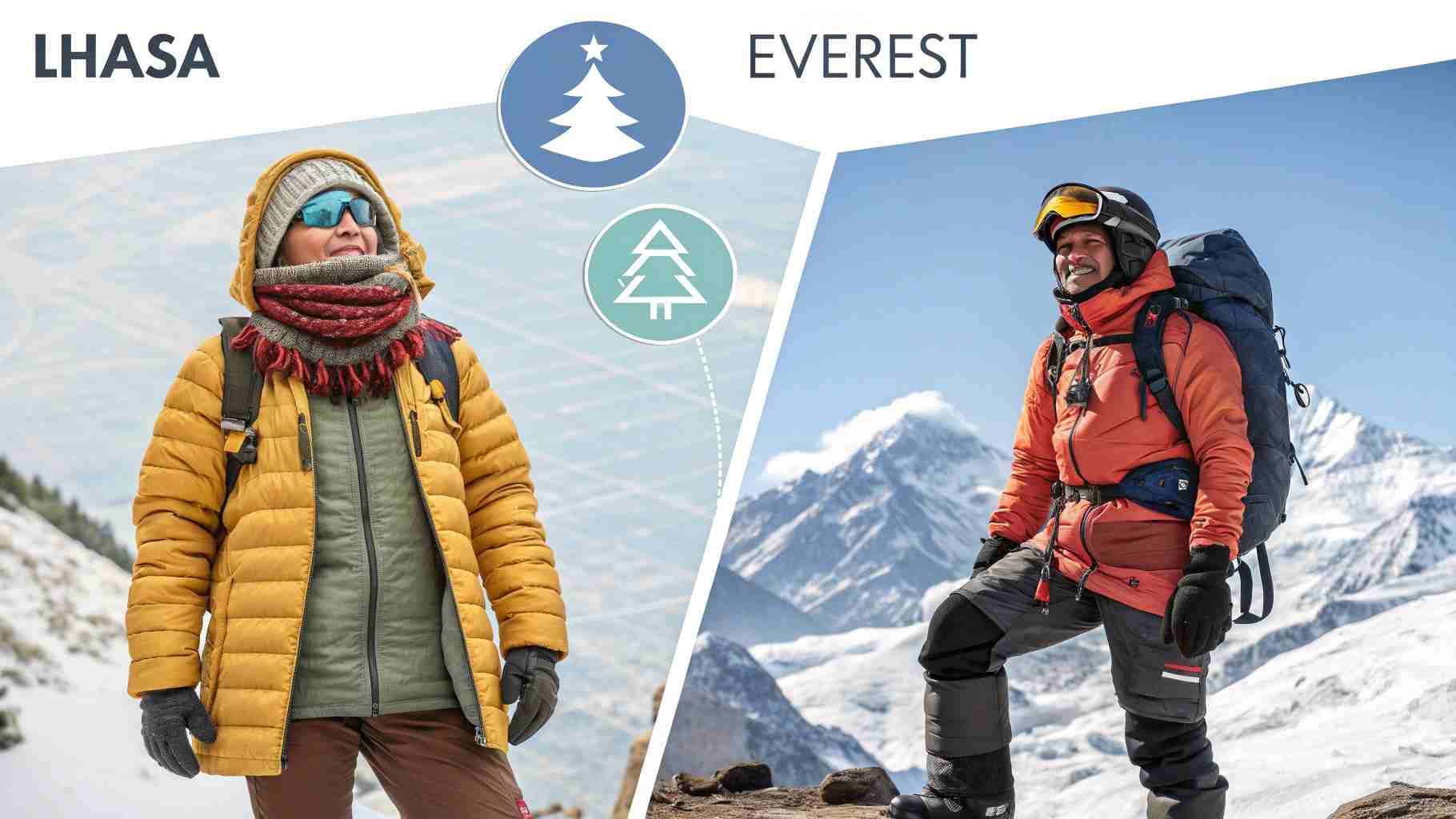
Mistake: Packing identical outfits for Lhasa and 5,200m Everest camp risks frostbite.
Lhasa (3,600m): Light down vest + long-sleeved shirt suffices. Everest Base Camp (5,200m): Requires thermal leggings + insulated pants, plus gloves retaining dextrality for camera use. Always carry hard-shell jacket.
Region-Specific Gear Matrix
| Destination | Critical Clothing | Omit | Extra |
|---|---|---|---|
| Lhasa Valleys | Windproof soft-shell jacket | Heavy parka | Sunshield neck gaiter |
| Ganden Trail | Ankle-support hiking boots | Sandals | Collapsible trekking pole |
| Everest Area | Thermal-lined trousers | Cotton jeans | Hand warmers |
| Kailash Kora | Gore-Tex over-trousers | Shorts | Yak wool fingerless gloves |
Altitude-Specific Packing Rules:
➔ Below 4,000m (13,000ft): Pack convertible pants with zip-off legs
➔ Above 4,000m: Add heated vest if possible
➔ Rain Shadow Areas (e.g., Tingri): Even in July, pack down feather gloves
What Cultural Attire Requirements Affect Your Packing?
Arriving at Samye Monastery in shorts causes embarrassment – guards deny entry to 60% of improperly dressed foreigners monthly.
Monasteries enforce strict dress codes: Knee-length pants banned, shoulders must be covered head-to-foot. Dark solid colors preferred. Avoid loud prints disturbing prayer atmospheres.

Religious Site Dress Decoder
Men:
- Top: Collared trek shirt or dark turtleneck
- Bottom: Non-ripped hiking trousers (convertible legs must stay zipped)
- Footwear: Closed-toe boots (remove inside prayer halls)
Women:
- Top: High-neck base layer under traditional chuba (rentable locally)
- Bottom: Ankle-length skirts prohibited - wear loose trousers
- Special: Cover hair with scarf during sky burials (if permitted)
Regional Variations:
✓ Tashilhunpo Monastery (Shigatse): Requires long sleeve shirts even in 20°C (68°F) heat
✓ Remote Nyingchi Temples: Allows modern dry-fit tops if solid-colored
✓ Emergency Solution: Rent appropriate attire
Conclusion
Master Tibet’s summer extremes with wool-core layering, climate-specific outerwear, and culturally compliant pieces – transform challenging weather into comfortable discovery.